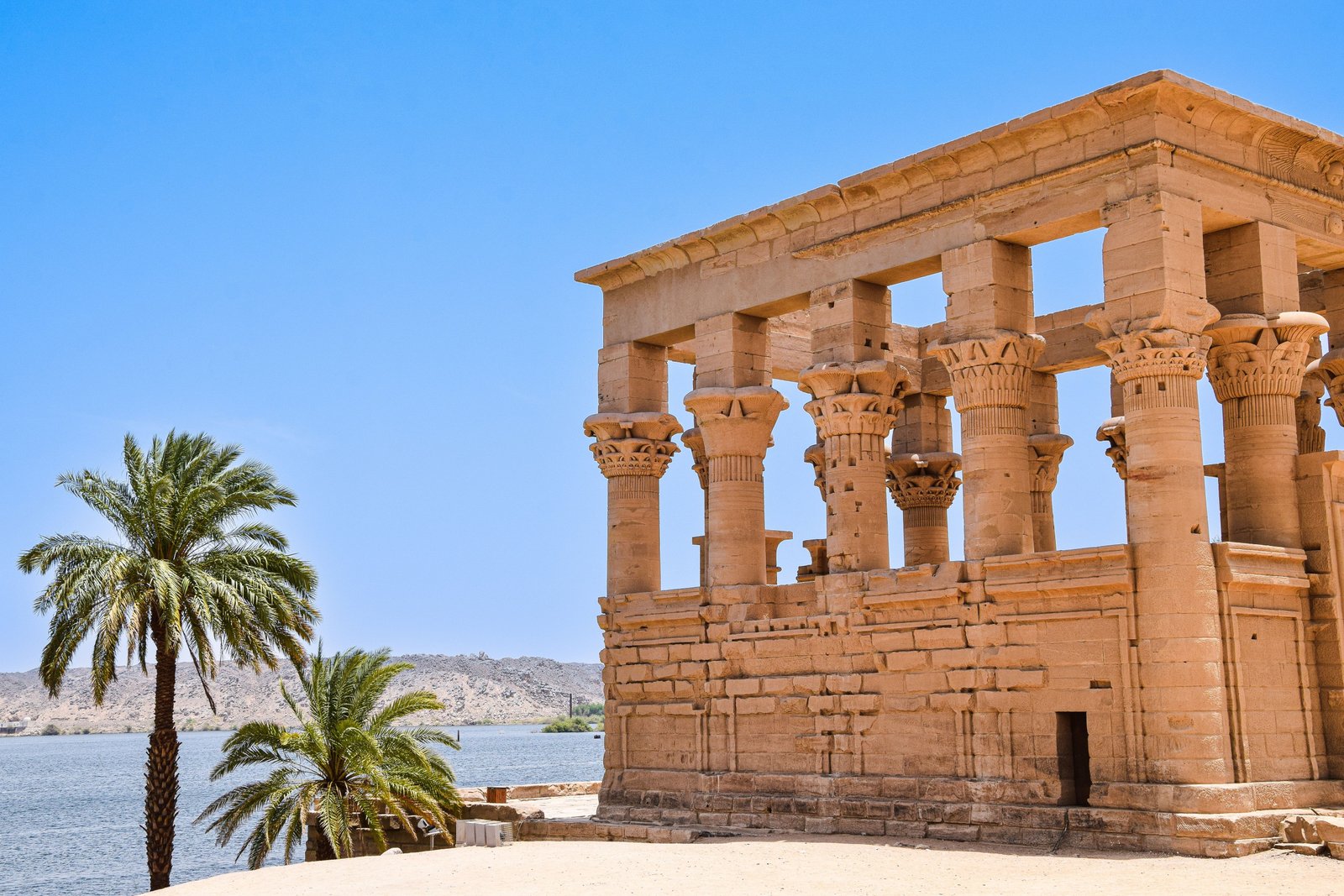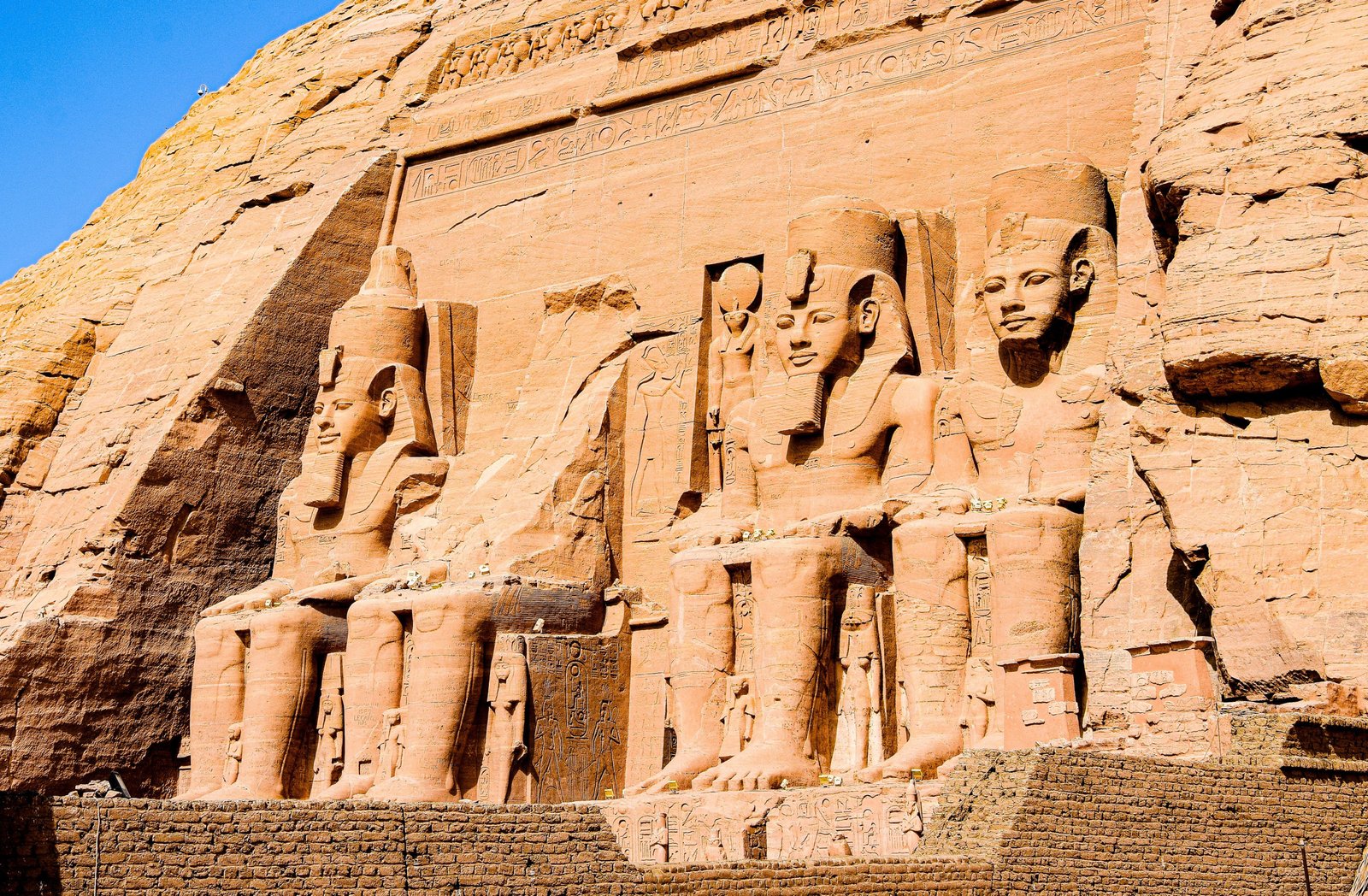
Both sail between Luxor and Aswan past the same great temples, but they are very different ways to travel. Here is how to choose between them.
The river between Luxor and Aswan is the backbone of a classic Egypt itinerary. As sandstone cliffs give way to palm groves and temple pylons, travellers face one choice that shapes the whole journey: a motorised Nile cruise ship or a traditional wooden dahabiya.
Both reach the great temples of Upper Egypt, but they are very different ways to travel. Here is an honest comparison to help you choose.
At a glance
| Nile cruise ship | Dahabiya | |
|---|---|---|
| Guests | Around 100 to 150 | Usually 8 to 20, in 4 to 10 cabins |
| Typical length | 3 or 4 nights | 4 or 5 nights, at a slower pace |
| How it moves | Diesel engines | Sails, with a small tug for windless stretches |
| Mooring | Town piers, often several ships side by side | Quiet riverbanks and islands |
| Dining | Buffets and set dining times | Meals cooked on board, often served on deck |
| Extra stops | The main temple towns | Places big ships cannot moor, such as Gebel el-Silsila and El Kab |
| Atmosphere | Sociable and hotel-like, with evening entertainment | Quiet, intimate, slow travel |
The Nile cruise ship: hotel comfort on the river
A modern cruise ship works like a floating hotel, sailing a fixed timetable between Luxor and Aswan.
Why choose one
- Facilities. Most have a sun deck with a pool and loungers, a lounge bar and evening entertainment such as a galabeya night or a folklore show.
- Efficiency. Ideal for a seven- or eight-day trip: Karnak, Luxor Temple, the Valley of the Kings, Edfu, Kom Ombo and Philae in three or four nights.
- Value and choice. Larger ships spread their costs across many cabins, sail on fixed days every week, and suit a mid-range to upscale budget.
The trade-offs
- Busy piers. At Luxor, Edfu and Kom Ombo, ships often tie up side by side, so you may walk through the lobbies of neighbouring boats to reach the bank.
- Crowds. Passengers from several ships often reach the same temple at the same hour.
The dahabiya: sailing the way it used to be
The dahabiya is the wooden sailing boat that carried nineteenth-century travellers and archaeologists up the Nile. Most have two masts and no engine of their own; when the wind drops, a small tug tows them along.
Why choose one
- Places big ships miss. Their shallow draught lets them moor where cruise ships cannot, such as the ancient sandstone quarries of Gebel el-Silsila and the rock-cut tombs of El Kab.
- Quiet nights. Instead of a busy pier, you tie up by a riverbank or an island, with dinner under the desert stars.
- Food. A chef cooks on board, often with produce bought along the river.
- Space and pace. With only a handful of cabins, the guiding feels private and the days are unhurried.
The trade-offs
- Price. With fewer cabins to share the running costs, the rate per person is higher than on a cruise ship.
- Fewer facilities. Most dahabiyas have no lift, no pool and no evening shows: the point is the river, the landscape and the history.
Which should you choose?
- Choose a cruise ship if you are travelling with children who will want a pool, you enjoy a sociable atmosphere, or you have three or four nights and want to see as much as possible for your budget.
- Choose a dahabiya for a honeymoon, a private charter with your family, or a quiet, slow journey in the spirit of the early travellers.
Not sure which suits you? Tell us your dates and we will suggest the cruise ship or dahabiya that fits — or see our multi-day packages, which include a Nile cruise between Aswan and Luxor.
Frequently asked
Cruise ships usually take three nights from Aswan to Luxor and four nights from Luxor to Aswan. Dahabiyas usually take four or five nights, at a slower pace.
Usually, yes. A dahabiya has only a handful of cabins to share its running costs, so the rate per person is higher.